

Alpha system
Alpha is the first production-facing phase of the platform. Public Empire AI materials describe the October 2024 launch as a first-stage system powered by 96 advanced processors. CCR’s user documentation describes Alpha as the current onboarding and early-use environment while Beta procedures continue to mature. In practice, Alpha is where researchers validate software stacks, data paths, and job patterns before moving to larger allocations.Beta system
Beta is the major architecture jump. Empire AI announced Beta in June 2025 with a $40 million investment and described it as roughly 11 times stronger for AI training than Alpha, with about 40 times the inference throughput and 8 times the storage footprint.Beta architecture details
Beta hardware
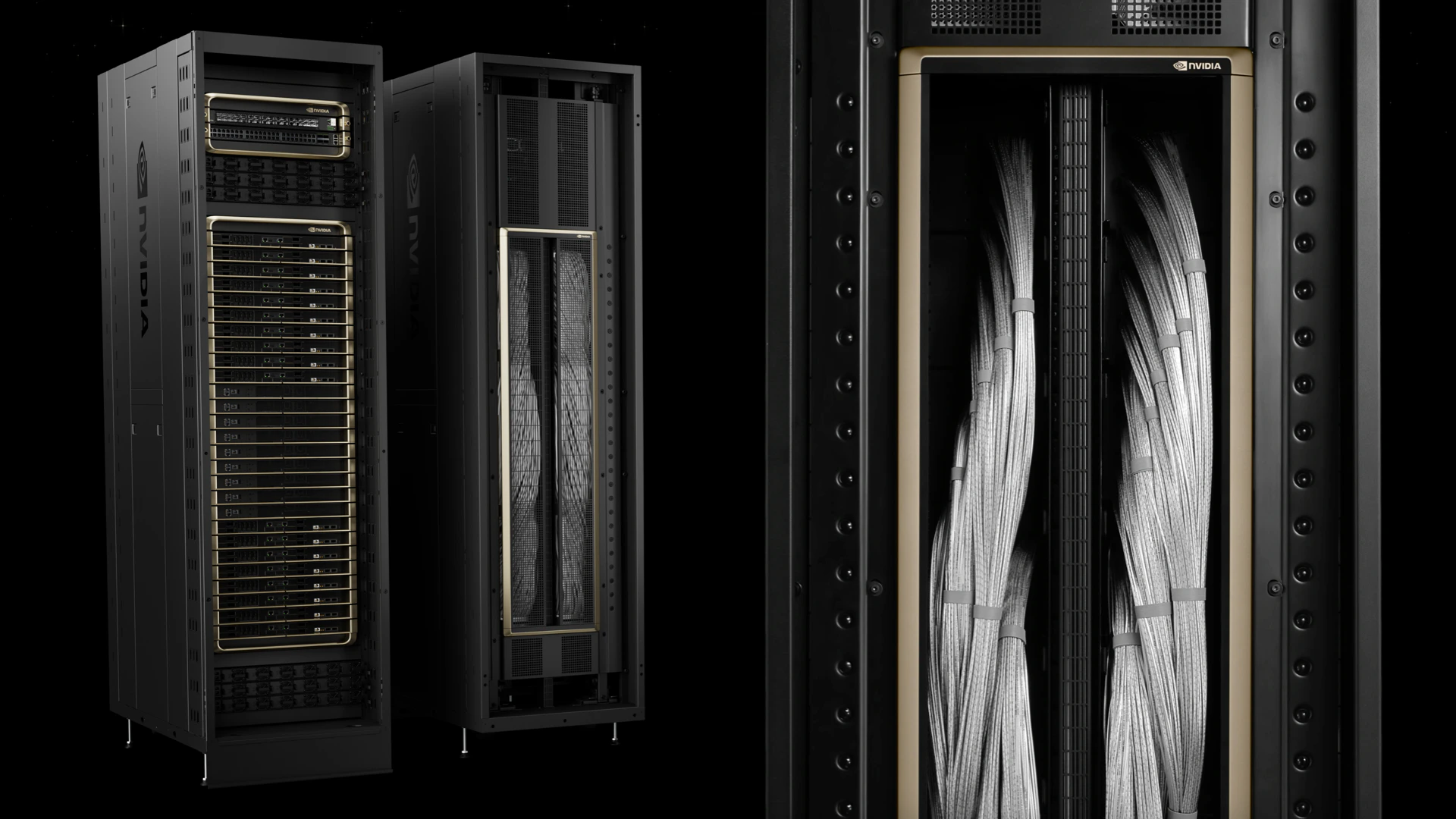
NVIDIA GB200 NVL72: a single liquid-cooled rack containing 36 Grace CPUs and 72 Blackwell GPUs connected over NVLink
NVIDIA DGX SuperPOD (DGX GB200)
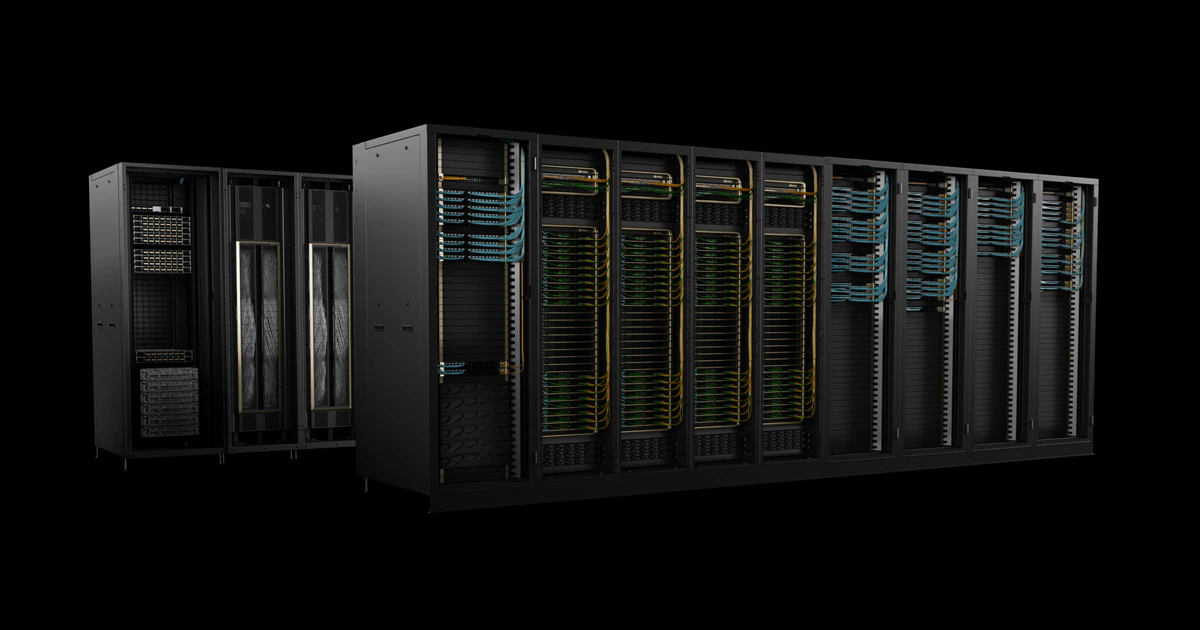
NVIDIA Grace CPU Superchip

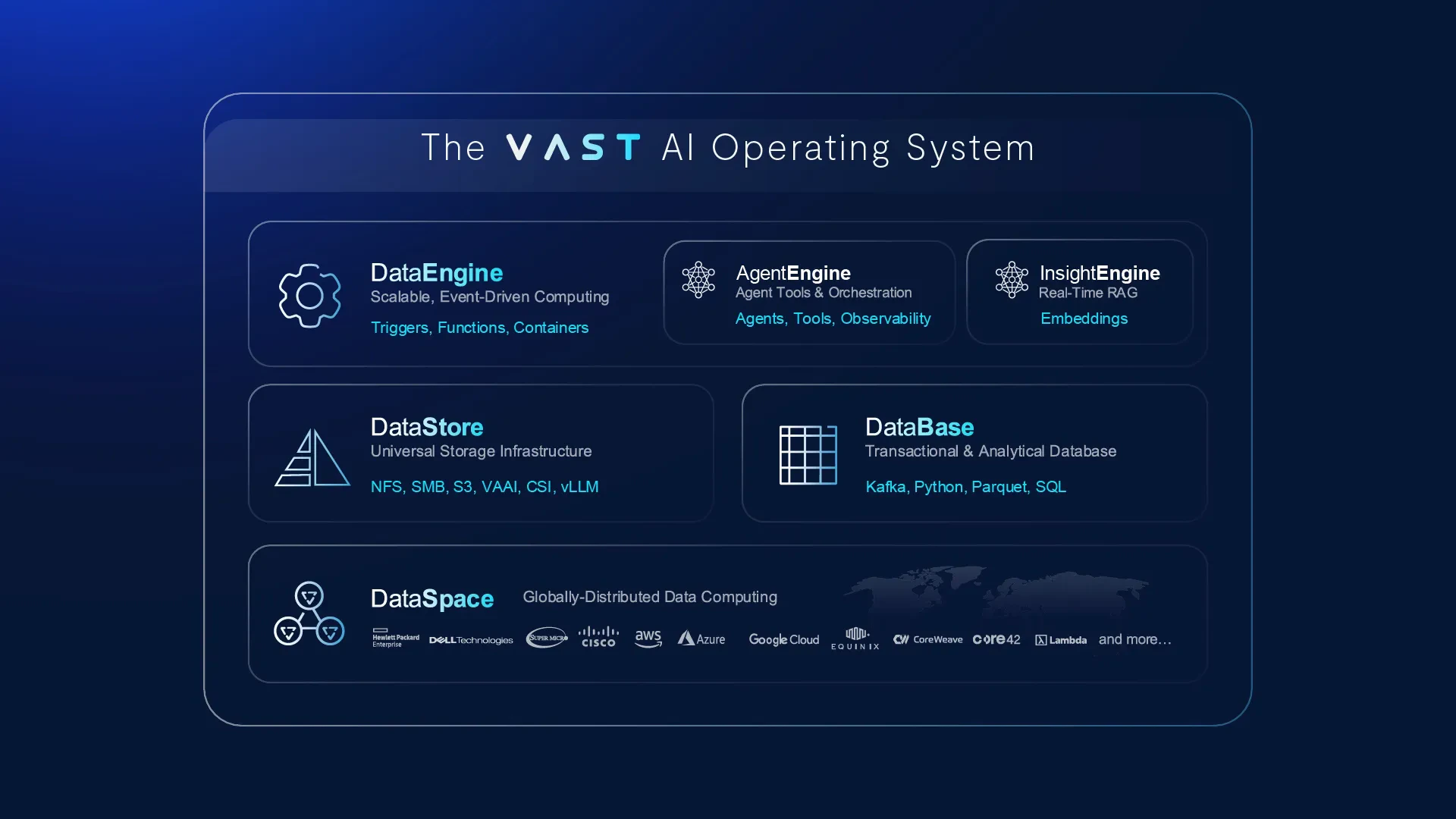
VAST Data AI Operating System
DDN data intelligence platform

Why the Blackwell stack matters
The key design choice is not just “more GPUs.” Beta is tuned for modern large-model workflows:- FP4 support and the Transformer Engine make it easier to run very large model training and inference efficiently.
- High-bandwidth NVLink reduces the communication penalty that often slows distributed GPU jobs.
- Grace CPUs and large storage tiers support the data movement and preprocessing that AI pipelines depend on.